

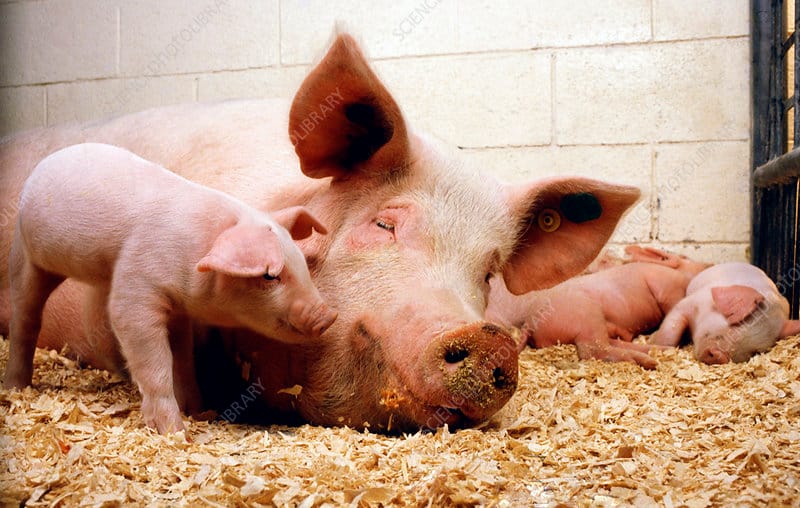
The animals whom we kill so cavalierly and on whom we inflict such suffering are sentient beings. In Buddhist scriptures this is taken for granted. It never occurred to the Buddha or his early followers that anyone might try to dispute it. And to this day, without significant exception, all Buddhist lineages teach that animals are capable of suffering and joy just as we [humans] are.
In reaching this conclusion, Buddhism is simply following common sense. Allowing for psychological differences, animals behave very much as we would in similar circumstances. When harassed or attacked they either cringe and flee or bristle and charge. When injured they cry out or try to flee the source of the pain. Within the boundaries of their physiology, animals express emotions like fear, grief, anger, happiness, pleasure, and love with behaviors that are as easily recognizable as the smiles, frowns, tears, and laughter of humans. Dogs smile by wagging their tails, cats by holding theirs erect, perhaps with a little curl at the top, like a shepherd’s crook. Chimpanzees show fear by baring their teeth in an expression that resembles a human smile, a trait that has misled generations of movie and nightclub patrons into thinking that performing chimpanzees were happy when in fact they were terrified. Skunks show fear lowering their head and patting their front feet on the ground; anyone who doesn’t back away quickly will soon wish they had. The point is, while the expressions of emotions are to some degree specific to the species, the emotions that they reveal are the common property of sentient beings.
Norm Phelps
from The Great Compassion; Buddhism & Animal Rights