

Like all forms of Buddhism, Zen seeks an “enlightenment” which results from the resolution of all subject-object relationships and oppositions in a pure void. But to call this void a mere negation is to re-establish the oppositions which are resolved in it. This explains the peculiar insistence of the Zen masters “neither affirming nor denying.” Hence it is impossible to attain satori (enlightenment) merely by quietistic inaction or the suppression of thought. Yet at the same time “enlightenment” is not an experience or activity of a thinking or self-conscious subject. Still less is it a vision of Buddha, or an experience of an “I-Thou” relationship with a Supreme Being considered as an object of knowledge or perception. However, Zen does not deny the existence of a Supreme Being either. It neither affirms or denies, it simply is. One might say that Zen is the . . . awareness of pure being beyond subject and object, an immediate grasp of being in its “suchness” and “thusness.”
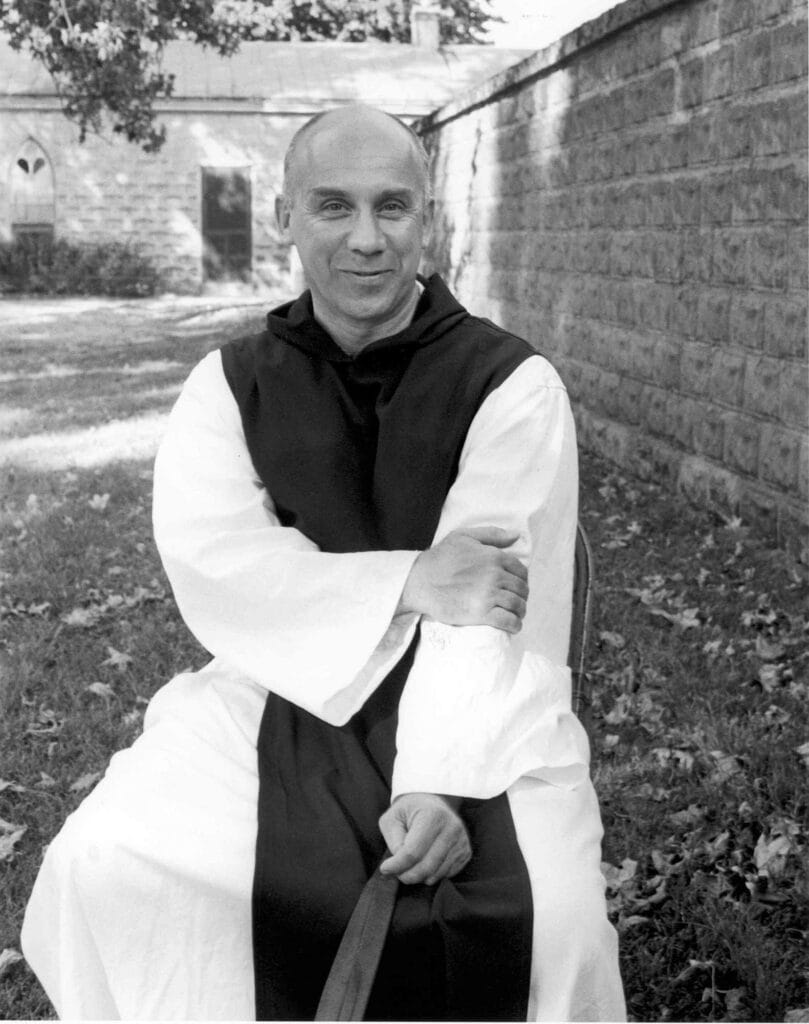
Thomas Merton
from Thomas Merton on Zen